Published
8 minute read
Teeth grinding is a dental problem, but it can quickly become an aesthetic one as well.
The force behind chronic bruxism is stronger than most people realize. When you grind your teeth or clench your jaw over and over, the masseter muscles along the lower face can become larger. Over time, that muscle growth can make the jaw look wider, the lower face look heavier, and the overall face shape look more square.
This is one of those concerns where oral health and facial aesthetics overlap. A patient may come in because they dislike the way their jawline has changed, then realize they also have jaw pain, headaches, tooth wear, or morning tightness near the ears. The face shape change is often the visible part of a problem that has been going on quietly for years.
At Miami Skin + Vein, I look at both sides of it: the symptoms and the shape. Botox can be helpful when overactive masseter muscles are contributing to grinding, clenching, and a broader lower face. It is not a dental cure, and it does not replace a dentist with a night guard, but it can be a useful start to relief.
Bruxism is the medical term for grinding or clenching the teeth. Some people grind during the day, which is called awake bruxism. Others grind during sleep, known as sleep bruxism. Many patients do both.
People grind for different reasons. Stress, anxiety, sleep disorders, bite issues, certain medications, and sleep apnea may all play a role. In some patients, bruxism becomes a habit the body repeats without much awareness. The teeth are working overtime, and nobody asked them to clock in.
Over time, untreated bruxism can affect the teeth, jaw joint, surrounding muscles, and facial structure. It can lead to tooth damage, worn tooth enamel, headaches, jaw pain, ear discomfort, and TMJ symptoms. TMJ disorders involve the temporomandibular joint, the jaw joint that helps the mouth open, close, and move side to side.
The masseter muscles are the main chewing muscles along the back of the jaw. They are powerful, and like other muscles, they can grow when they are used repeatedly.
Constant grinding and jaw clenching can enlarge the masseter muscles. When that happens, the lower face can look wider or more square. Patients may notice less taper from the cheekbone to the chin, stronger jaw definition than they used to have, or a face shape that feels more bottom-heavy.
This can affect facial proportions. A naturally oval face may start to look more square. A round face may appear heavier along the jaw. Someone who once had a softer lower face may notice a stronger, broader jawline that no longer matches the rest of their facial features.
This is also where online tools can confuse people. A face shape detector might label someone as having a square, round, heart-shaped, oval, or diamond face shape based on a front-facing photo and measurements like forehead width, chin length, and the widest point of the face. But a face shape detector does not know whether the lower face is wider because of muscle, facial fat, bone structure, swelling, or untreated bruxism.
A face shape detector work-up can be entertaining, but it is not a diagnosis. The lower face needs to be examined in motion and at rest. When a patient clenches, the masseter muscles often tell the story quickly.
Bruxism can also create real pain.
Patients with chronic bruxism may wake up with sore jaw muscles, tension headaches, pain near the ears, sensitive teeth, or stiffness when opening the mouth. They may notice clicking, popping, or fatigue in the jaw. Some patients are told they have TMJ disorders, while others simply know their jaw feels overworked.
The source of pain can vary. The muscles may be overactive. The temporomandibular joint may be irritated. Tooth wear or tooth damage may be causing sensitivity. Sleep bruxism may be connected to another issue, such as sleep apnea.
This is why evaluation matters. Botox can relax overactive muscles, but it does not repair tooth damage, correct a bite problem, or treat sleep apnea. For many patients, care may include a dentist, a night guard, physical therapy, and stress-reduction techniques when symptoms point in that direction.
Botox can help reduce the force of clenching and grinding by relaxing the masseter muscles. The injections weaken excessive contraction while still allowing normal chewing, talking, and facial movement.
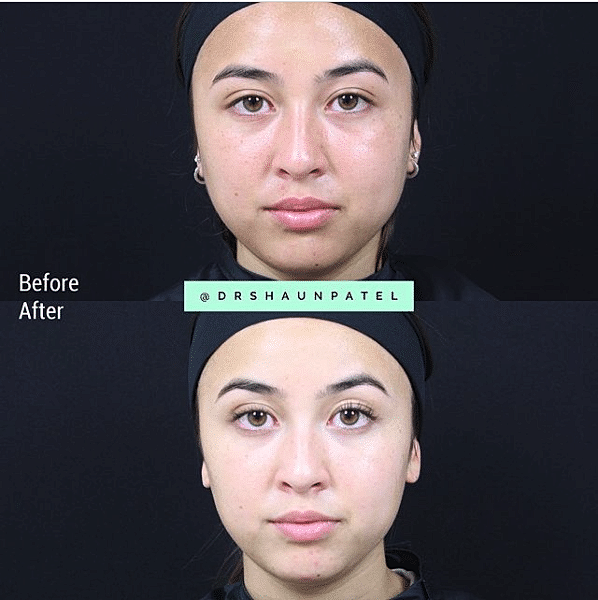
For patients with enlarged masseter muscles, Botox may also help soften the lower face over time. As the muscle works less aggressively, it may gradually shrink. This is the same principle behind masseter reduction and jawline slimming.
The aesthetic result is usually gradual. Botox starts relaxing the muscle within days, but the visible change in face shape takes longer because muscle size changes slowly. Most patients notice less jaw tension first, then facial slimming over several weeks to a few months.
Botox injections for bruxism are usually repeated every few months. The exact timing depends on the strength of the muscles, the severity of symptoms, and how quickly the body metabolizes the treatment.
Botox can be useful for bruxism when the masseter muscles are overactive. It can reduce clenching force, ease jaw pain for some patients, and create a slimmer face when muscle bulk is contributing to the face shape.
It cannot stop every cause of teeth grinding. It cannot protect tooth enamel the way a night guard can. It cannot treat sleep apnea. It cannot replace dental care when there is tooth damage or untreated bruxism affecting oral health.
It also will not change the face shape when the lower face is wide because of bone structure or facial fat. If someone wants to lose fat in the lower face, Botox is the wrong tool. If the masseter muscles are the reason the jawline looks broader, Botox may be a good option.
The plan has to fit the anatomy. Otherwise, treatment becomes guesswork with a syringe.
Face shape content is everywhere now. A face shape detector may tell you that you have an oval face, round face, diamond face shape, or heart-shaped face. From there, it may suggest makeup contouring tips, grooming choices, soft waves, long layers, side-swept bangs, chin-length bobs, or the best hairstyle for your proportions.
There is nothing wrong with that kind of advice. It can be fun, and sometimes it is helpful.
The limitation is that a face shape detector does not evaluate muscle activity, pain, oral health, jaw clenching, or the way facial structure has changed over time. It also does not know if the face shape change came from weight changes, aging, masseter muscle growth, or swelling.
If someone is noticing a wider jaw along with grinding, clenching, headaches, jaw pain, or tooth wear, the answer is probably not just contour placement.
Masseter Botox is a quick in-office treatment. I first evaluate the jawline, facial structure, masseter muscles, symptoms, and facial proportions. I’ll usually ask the patient to clench so I can feel the strength and size of the muscle.
Small amounts of Botox are then injected into the masseter muscles on each side. The appointment is usually brief, and most patients return to normal activities afterward.
The goal is to calm the overactive muscle without over-treating the lower face. Too much weakening can affect chewing comfort or smile dynamics, so dose and placement need to be thoughtful.
For patients with significant bruxism symptoms, I often recommend coordinating care with a dentist as well. A night guard may still be important to protect the teeth, especially if there is tooth wear or tooth damage.
Teeth grinding can change face shape when chronic bruxism causes the masseter muscles to enlarge. The lower face may look wider, more square, or heavier along the jawline. At the same time, patients may develop jaw pain, headaches, TMJ symptoms, tooth wear, or other oral health issues.
Botox can help when overactive masseter muscles are part of the problem. It may reduce clenching force, ease jaw tension, and gradually create a slimmer face. It should be used with a clear understanding of facial anatomy and, when needed, alongside dental care, a night guard, stress management, or evaluation for sleep disorders.
At Miami Skin + Vein, I approach bruxism treatment with both function and facial aesthetics in mind. The goal is to reduce muscle overactivity, protect the natural balance of the face, and create a result that looks softer without looking treated.
Schedule a consultation at Miami Skin + Vein in Coral Gables to discuss Botox for bruxism, jaw clenching, TMJ-related symptoms, and lower face slimming.