Laser Tattoo Removal in Coral Gables, FL





Whether it’s an outdated design, a name you’d rather forget, or simply a change in personal style, you’re not alone.
A Pew Research Center study shows that nearly one in four people with tattoos experience regret at some point. Fortunately, advanced laser technology makes it possible to remove unwanted ink safely. At Miami Skin & Vein in Coral Gables, FL, Dr. Shaun Patel offers state-of-the-art tattoo removal using the PicoWay® laser – one of the most sophisticated devices for breaking down ink particles with minimal discomfort and downtime. Dr. Patel is a recognized expert in laser aesthetics and a Key Opinion Leader for Candela®, the company behind the PicoWay system.

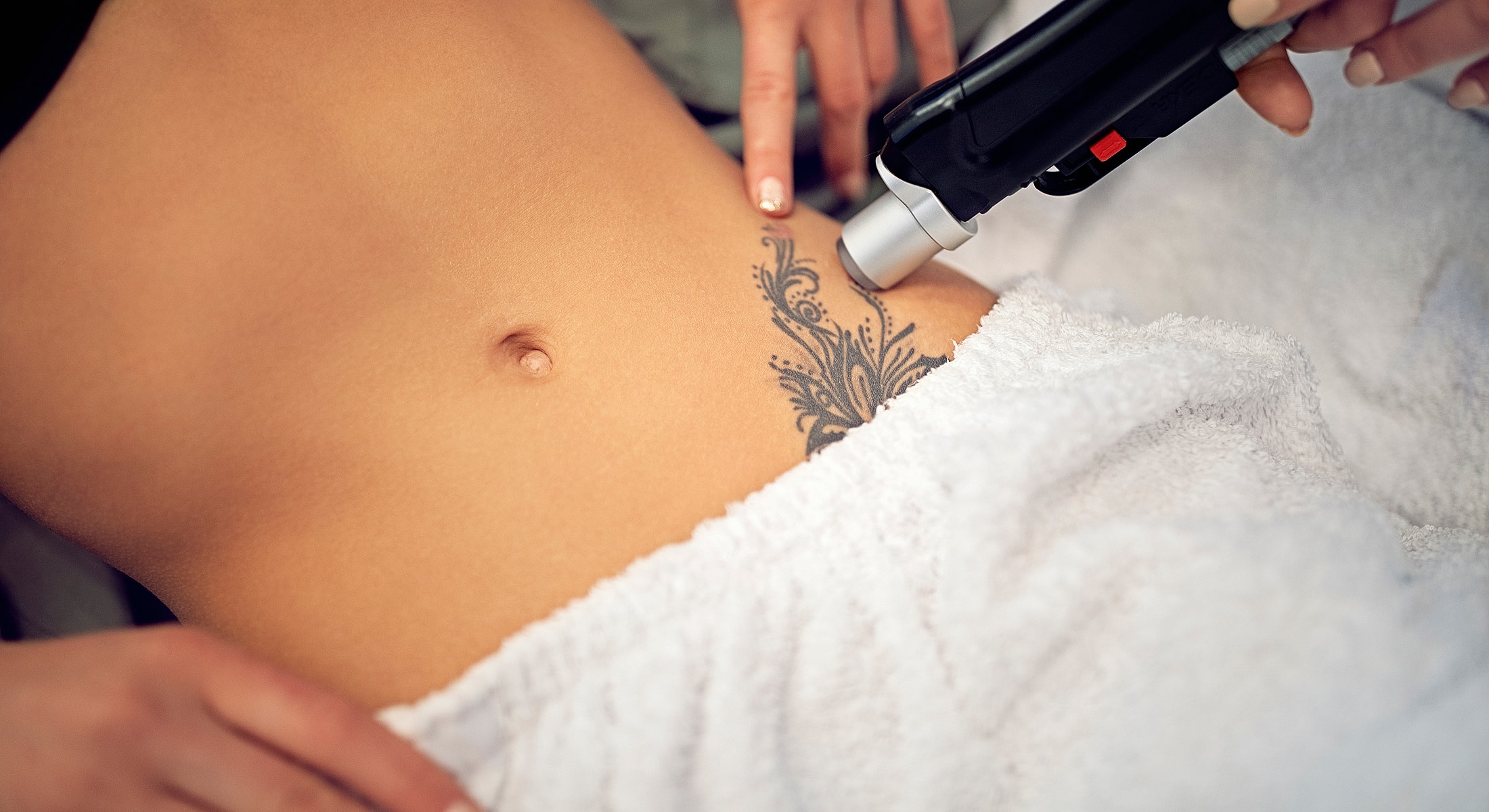
Laser tattoo removal is a clinical procedure that relies on the science of selective photothermolysis. Rather than abrasively removing skin layers, advanced laser technology can target the tattoo ink located in the dermis while leaving the surrounding skin unharmed.
The process works by delivering ultra-short pulses of energy into the tattoo pigments. These pulses shatter the large ink particles into microscopic fragments. Once the ink is broken down, the body's natural processes take over. Your immune system (specifically white blood cells called macrophages) identifies these smaller particles as foreign waste and gradually flushes them out of the body. This is why the fading occurs over weeks, not immediately in the chair.
Both laser methods have their place in the aesthetic world, PicoWay is faster, safer, and more even when it comes to pulling out colors.
Older devices rely on heat to melt pigment. This thermal effect poses a higher risk of scarring and is often ineffective on stubborn colors like blues or greens. They are also slower, functioning in nanoseconds. While this doesn’t sound like a huge deal, the jump from nano to pico is actually significantly faster and results in less safe, precise treatment.
PicoWay operates in trillionths of a second—1,000 times faster than traditional lasers. Instead of heat, it uses a photoacoustic "shockwave" to shatter ink into dust-like particles. This allows for fewer treatments, better clearance of other colors, and minimal risk to the skin.

Most adults with unwanted ink are excellent candidates for this procedure, provided they have a healthy immune system capable of clearing the shattered pigment. Because Miami Skin & Vein uses the PicoWay system, we can safely treat all skin types, including darker skin tones that were historically at risk for hypopigmentation with older, heat-based devices. This treatment is appropriate whether you are looking for complete removal or simply need to fade a tattooed area in preparation for a new tattoo cover-up. We generally advise against treatment for patients who are pregnant, breastfeeding, or have an active infection in the treatment area. Additionally, fresh tattoos must be fully healed, typically at least eight weeks old, before we can begin your laser tattoo removal.
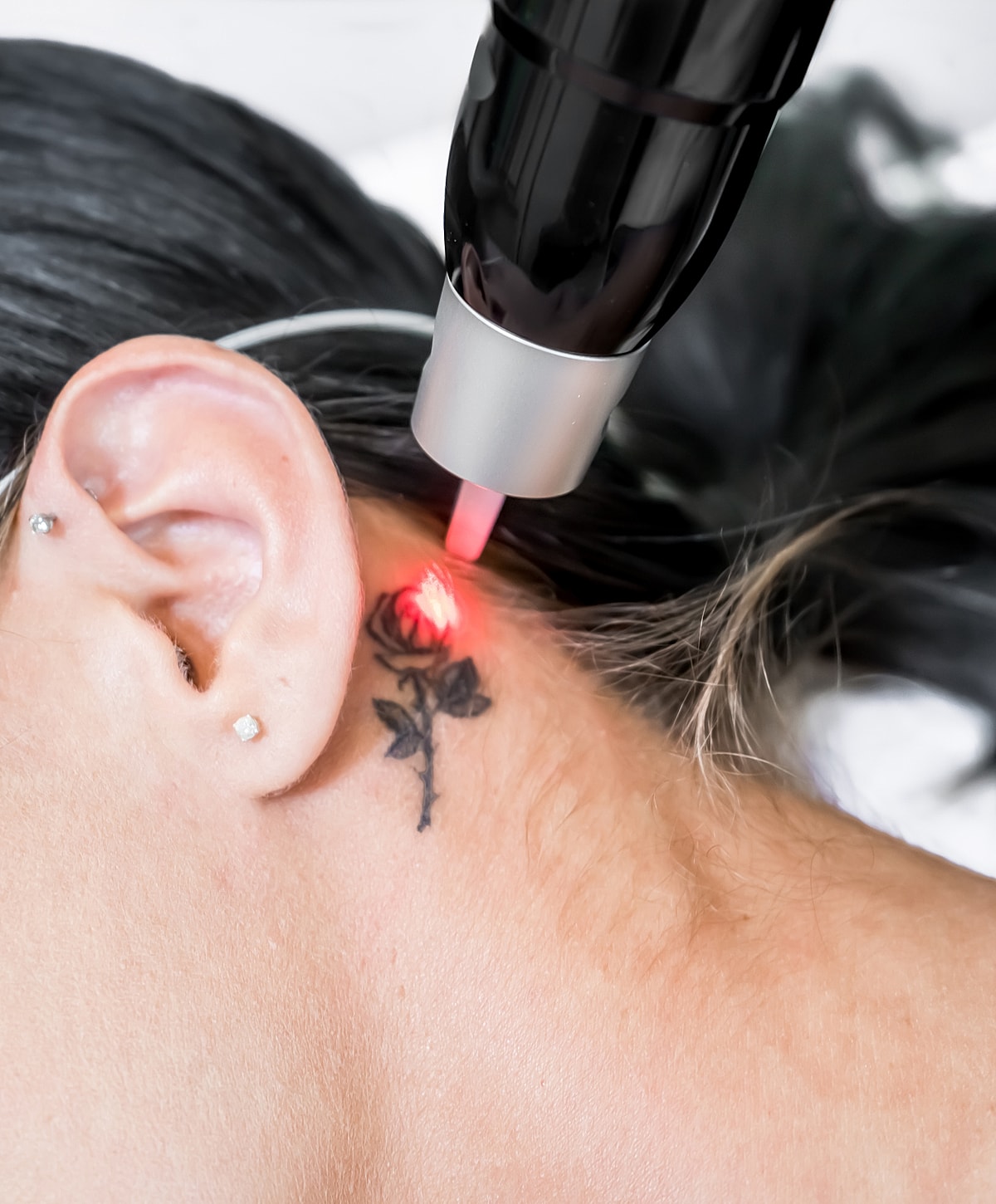
PicoWay is a cutting-edge picosecond laser that delivers ultra-short energy pulses to the skin.
Traditional lasers use heat to break down tattoo pigment. However, the PicoWay device uses rapid pulses of energy to shatter ink particles into tiny fragments. This allows the body’s natural processes to clear away pigment while reducing the risk of scarring and skin damage.
While pain thresholds vary, most patients compare the sensation of removing tattoos to a rubber band snapping against the skin. Because the PicoWay uses acoustic pressure rather than thermal heat, the experience is significantly more comfortable than traditional laser procedures, though we can provide topical numbing to ensure your comfort. Immediately after the laser pulses strike the ink, you will likely observe a "frosting" effect, a temporary white or gray discoloration on the surface caused by a rapid gas release reaction. This is a normal healing reaction from your body and typically resolves quickly.
People prefer PicoWay laser tattoo removal for several reasons, including the following:
At our practice in Miami laser tattoo removal appointment generally takes 15 to 30 minutes. Removing a tattoo requires multiple sessions, as it takes time for the laser to break down and clear the ink.
The number of appointments needed depends on factors such as:
During your consultation at Miami Skin & Vein, Dr. Patel will assess your tattoo and develop a personalized treatment plan. For optimal outcomes, most patients require 4-8 sessions spaced 6-8 weeks apart.
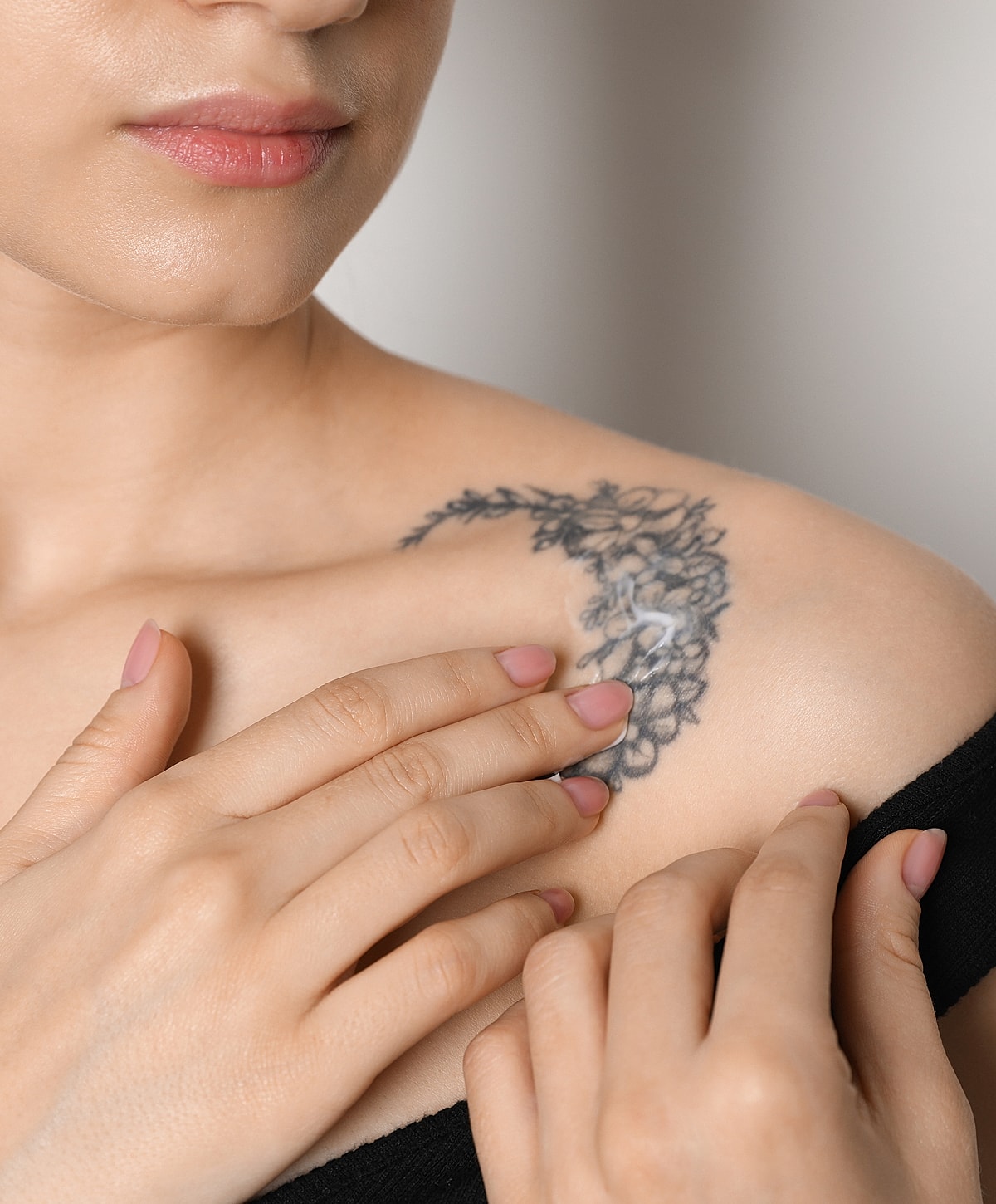
Taking proper care of your skin is essential for protecting it after laser tattoo removal treatment. It’s normal to experience temporary redness, swelling, or blistering as the skin heals, similar to a mild sunburn. It’s critical to keep the area protected from UV exposure with high-SPF sunscreen or clothing, as the sun can cause hyperpigmentation in healing tissue.
Results won’t be immediate. The fading process occurs gradually over the weeks following your appointment as your system flushes out the fragmented pigment.
While you may notice lightening after just one or two visits, most patients require a series of four to eight sessions for effective clearance. These appointments are strictly spaced no less than six weeks apart to allow your body sufficient time to flush the ink particles before the next pass.
Professional tattoos with deep, dense ink take longer to clear than amateur designs, and tattoos located on the extremities (hands and feet) may fade slower than those on the chest or neck due to circulatory differences. Patient habits also play a role. For example, smoking can slow the circulatory system and potentially extend the number of sessions required for effective results.
The cost of laser tattoo removal is determined by the surface area of the design and the specific wavelengths required to address multi-colored ink.
Part of your tattoo removal consultation in our South Florida office will include Dr. Shaun Patel measuring your tattoo and providing a transparent, customized quote for your sessions. We also offer package pricing for patients committed to the full removal process, ensuring transparency without hidden fees.
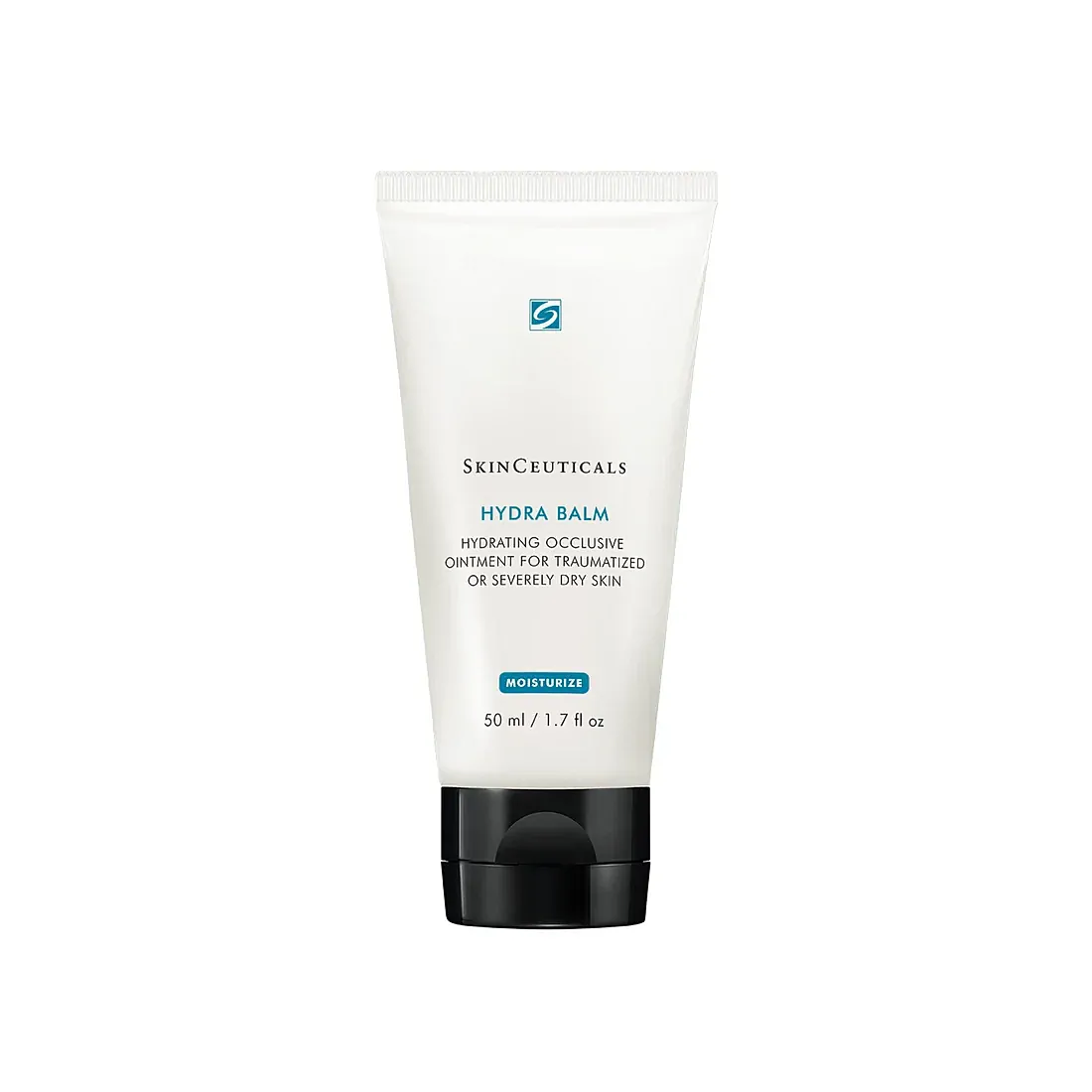
Recommended Products
An experienced provider is essential for safe and effective laser tattoo removal. At Miami Skin & Vein, patients benefit from:
Dr. Patel’s reputation as a trainer and speaker in the laser technology field further establishes his authority. His dedication to patient care and cutting-edge techniques make Miami Skin & Vein a premier destination for tattoo removal in Coral Gables.







If you’re ready to get rid of an unwanted tattoo, Miami Skin & Vein is here to help. Schedule an appointment with Dr. Shaun Patel today to discuss your options and learn how the PicoWay laser can provide the outcomes you’re looking for. Call our South Miami office at (786) 618-5039 or book online to get started.
Most patients compare the feeling to a rubber band snapping against the skin. It is generally well-tolerated, and the PicoWay system is designed to be more comfortable than older heat-based lasers.
The treatment is very fast. A small tattoo may take only seconds, while larger pieces typically take 15 to 30 minutes to treat effectively.
The PicoWay laser offers multiple wavelengths specifically designed to target difficult pigments like blues and greens that traditional lasers often fail to remove.
Yes. Many patients choose to fade a tattoo with just 2-3 sessions to make it easier for an artist to cover it with a new tattoo.
Absolutely. Because PicoWay uses sound waves (photoacoustic energy) rather than heat, it is safe for all skin types (Fitzpatrick I-VI) with minimal risk of pigment damage.
You may see some lightening within weeks of your first session, but the most significant clearance happens cumulatively over the course of your treatment plan.
Risks are minimal when performed under the expert care of laser specialists like Dr. Patel. Redness, swelling, and blistering are temporary side effects that are part of the normal healing process.
Yes, we can treat cosmetic ink. However, this requires a careful assessment during your consultation to ensure the safety of facial skin and hair follicles.