Published
5 minute read
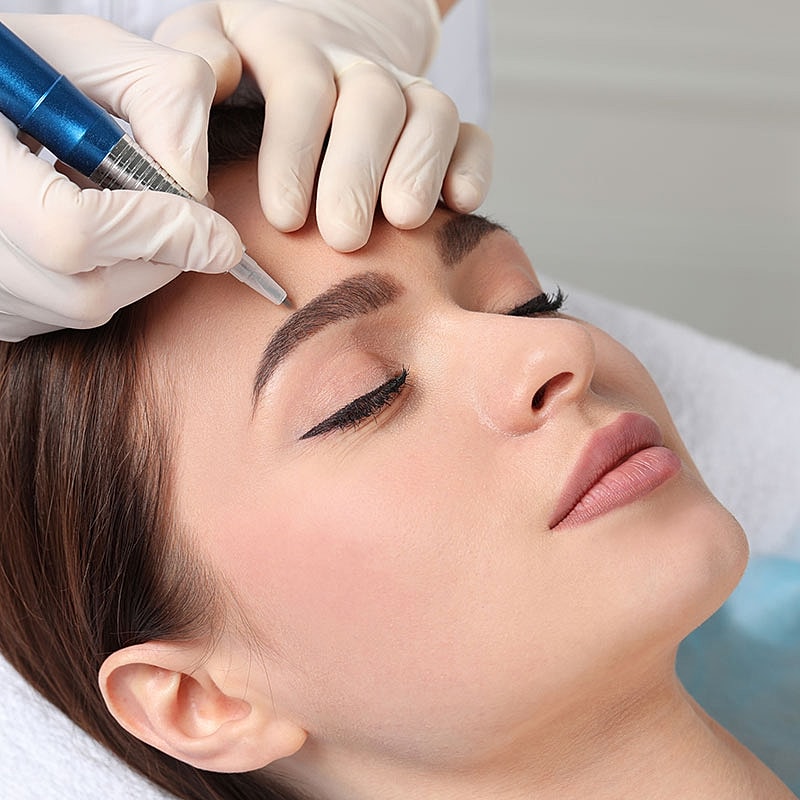
Permanent makeup sounds like it promises morning convenience, especially with waking up to perfect arches. But time still passes, trends fade, and techniques fail. Sitting with unwanted eyebrow tattoos brings constant frustration. You can't hide your face or wipe them off and try again. Patients arrive at my Coral Gables office terrified that they're stuck with blocky, unnatural pigment forever.
Cosmetic eyebrow tattoo removal provides an effective solution. We use targeted laser technology to perform precise permanent makeup removal and restore your natural brows.
Erasing brow tattoos differs from standard laser tattoo removal used for body tattoos. The delicate skin on your face requires precision.
Alternative options exist outside the medical clinic. Some facilities push saline removal or a glycolic acid removal method to lift pigment. These methods open the skin and apply a harsh glycolic acid or salt solution to draw out the ink. This technique risks severe scar tissue and permanent skin texture damage.
Laser removal remains the medical standard. We use precise light energy to shatter the tattoo ink. Our clinic relies on picosecond lasers. This advanced technology delivers laser pulses in trillionths of a second. It shatters the eyebrow pigments into microscopic particles without burning the surrounding skin, so your body's immune system can flush the debris away.
Removing unwanted eyebrow tattoos requires navigating complex chemistry. Cosmetic tattoos use blends of iron oxides and heavy metals. The laser light causes these compounds to oxidize.
Your dark brown tattooed eyebrows might turn neon orange, bright red, or pale gray after your first laser treatment. This causes immense panic for patients, which is a normal reaction. Pigment changes prove the eyebrow tattoo removal process is working. We anticipate this chemical reaction. You must commit to the plan and work through these temporary color shifts to achieve full removal. We will clear the unwanted pigment, but you have to be prepared for some awkward in-between phases. You can still use your eyebrow pencil (after the first few days of treatment) to combat the discoloration until your next session.
Patients always ask how many treatments or how many sessions they need, but erasing unwanted ink takes time. You won't see a blank canvas after just one session. The removal process requires multiple sessions, and we can't typically predict the exact number, especially when the original ink depth and chemical composition of your old tattoo remain unknown.
Time is our biggest asset. Many clinics schedule removal sessions four weeks apart, but that's not the best practice. Your immune system needs time to clear the shattered ink particles. We space our appointments two to three months apart. Treating the area too soon creates unnecessary trauma. Waiting longer guarantees better pigment removal and a safer healing process.
People tend to group all permanent makeup into one category, but microblading and powder brows behave differently under a laser. Traditional cosmetic tattooing uses an oscillating needle to deposit pigment. Microblading utilizes a small, handheld blade to slice the skin and manually drag ink into the cuts. This physical trauma frequently creates microscopic scar tissue beneath the surface. When we treat microbladed brows, we face a dual challenge. The laser must penetrate the structural damage left by the blade to reach the trapped pigment. Our technology navigates this barrier safely, but you must understand the physical reality of your original procedure.
Your ultimate goal dictates our clinical strategy. Some individuals want to return to a completely bare brow. Others simply need to lighten an asymmetrical shape so a highly skilled artist can correct the work. If you plan to get a cover-up, you rarely need a pristine canvas. Fading the old ink by fifty percent often provides enough clearance for a new artist to deposit fresh pigment. We adjust the treatment plan based on your next move. If you intend to re-tattoo the area, you must wait at least eight to twelve weeks after your final laser session. The tissue requires a period of absolute rest to rebuild its integrity before enduring another cosmetic intervention.
Fear of losing natural brow hair stops people from seeking cosmetic tattoo removal, but modern pico lasers bypass the hair follicles. Your brow hair might turn white from the energy for a few weeks, but it shouldn't fall out. Your permanent brows can be faded without hair loss.
The procedure is fast. Where older traditional lasers caused severe pain, modern devices minimize the trauma. Most clients tolerate the procedure with ease. When asked what it feels like, clients describe the sensation as a hot rubber band snapping against the skin or that fleeting, manageable sting of hot grease popping from the pan. You will experience mild stinging and minimal discomfort. The laser finishes in seconds. We perform a patch test on certain skin tones to predict the color shift and confirm the safest removal method for your skin type.
You will experience mild redness and slight swelling immediately post-treatment. Adhering to our strict aftercare instructions helps prevent complications. As the skin heals, you must avoid sun exposure. UV rays disrupt the immune system's cleanup and invite hyperpigmentation. This rule is even more absolute for patients with darker skin tones. Proper sun exposure management protects the fresh tissue.
If you want to remove eyebrow tattoos, schedule a consultation. We will map out a precise clinical plan, answer your questions about laser eyebrow tattoo removal, and set a realistic timeline for your desired outcome. You can achieve optimal results and get your face back.